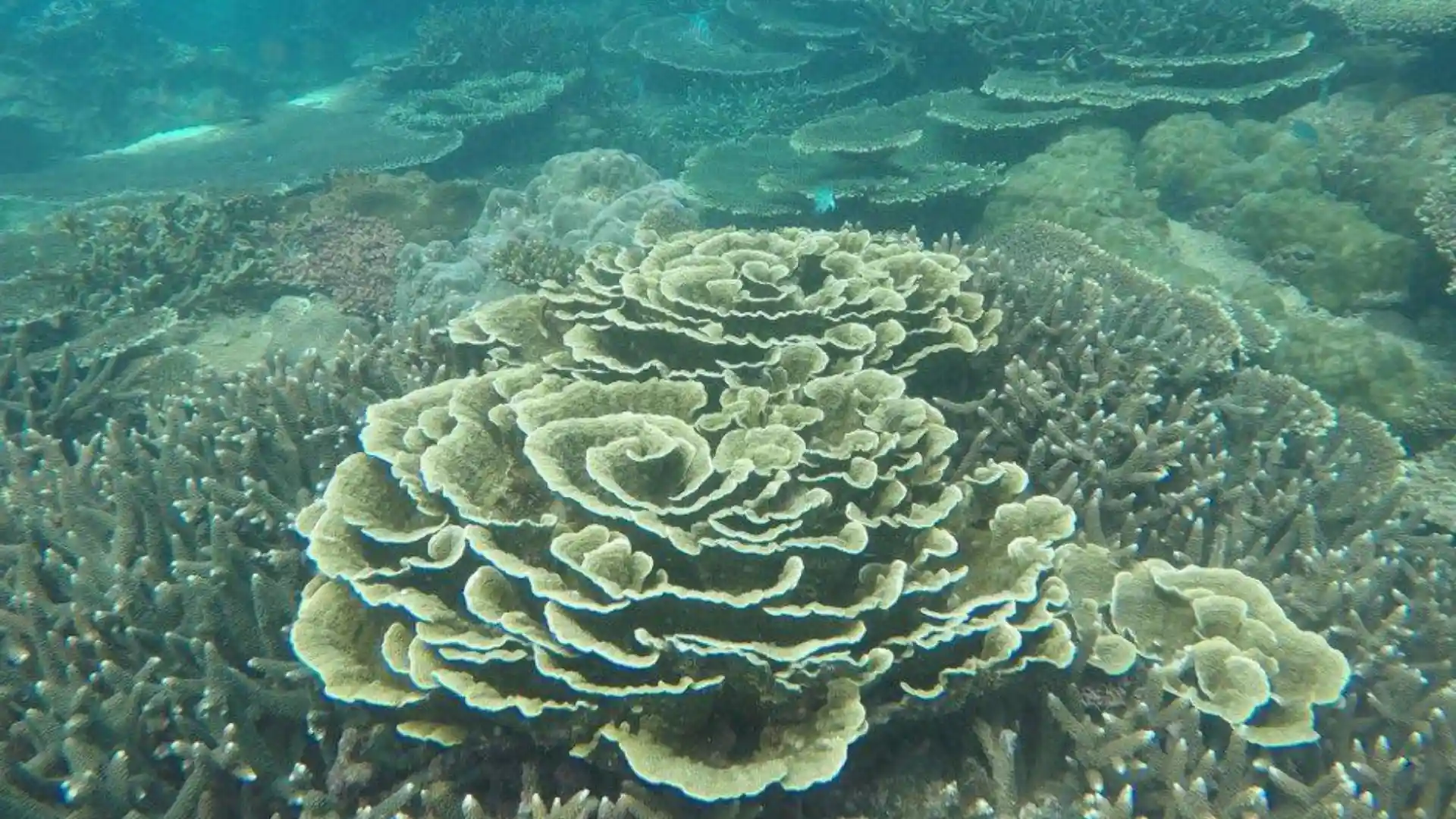
Bay Canh Island
This site is central to local turtle conservation, with shallow coral gardens often visited by green and hawksbill turtles.
Visit during nesting season for turtle sightings.

Con Dao's 15 protected dive sites ring the archipelago in a 20-kilometer arc, each requiring a boat transfer and a conservation-area permit. Most operators depart from the main harbor at Ben Dam between 07:30 and 09:00, when visibility peaks and surface currents relax. This guide maps every accessible zone, the creatures you'll encounter, and the permit process that funds reef restoration.
Quick answer
Con Dao offers 15 charted dive sites spread across its marine protected area, with depths ranging from 8 to 40 meters. All sites require a 60,000 VND conservation fee per person and a boat transfer of 15 to 45 minutes from Ben Dam harbor. Visibility averages 15 to 25 meters during the dry season (November through April) and drops to 8 to 12 meters during the monsoon months.
Con Dao's reefs were closed to fishing in 1993, and four decades of protection have returned populations of hawksbill turtles, blacktip reef sharks, and barrel sponges large enough to shelter three divers. The archipelago sits 180 kilometers offshore in the South China Sea, far enough from the Mekong's sediment plume that the water column remains gin-clear for much of the year. The con dao dive sites are clustered in three zones. The northern group—Bay Canh, Tai, and Tre—lies closest to the main island and offers shallow coral gardens between 8 and 18 meters, ideal for check dives and macro photography. The eastern sites—Cau, Hon Chuong, and the unnamed pinnacles off Hon Bong—descend to 30 meters and draw pelagic species during incoming tides. The southern arc, anchored by the wreck at Ong Dung and the walls at Hon Tai, demands advanced certification and rewards it with gorgonian forests and regular sightings of manta rays between February and May. Every site lies within the Con Dao National Park marine zone, which means every dive operator collects the conservation fee at the harbor before departure. The fee funds mooring-buoy maintenance, patrol boats, and the turtle hatchery on Bay Canh. Boats depart Ben Dam harbor in staggered waves to prevent crowding at the most popular reefs; operators who run two-tank trips typically visit a northern site first, surface for an interval on Bay Canh beach, then push to a deeper eastern or southern location for the second descent. Visibility and surge follow the monsoon calendar. November through March delivers the calmest seas and the longest underwater sight lines—20 meters or more on windless mornings. April and May bring warmer water and manta aggregations, but afternoon thunderstorms can scrub afternoon departures. June through October is the southwest monsoon, when surface chop limits access to the southern and eastern zones and most operators restrict trips to the protected northern reefs. The park office at 29 Võ Thị Sáu posts daily sea-state forecasts; check before booking if you're arriving during the shoulder months of May or November.
“Four decades of fishing prohibition have restored turtle populations and returned blacktip reef sharks to the shallows.”
The optimal time to visit Con Dao dive sites is during the morning hours, specifically from March to September when ocean conditions are calmest. These months provide the highest water clarity, essential for observing marine life.
—
The best arrival window is 07:30–12:00, as clearer water and calmer sea conditions typically occur during these morning hours.
Dry, 26°C to 30°C
These months offer the most stable weather and excellent underwater visibility.
Warm, 27°C to 31°C
Sea conditions remain calm despite occasional brief afternoon rain showers.
Windy, 24°C to 28°C
Stronger winds during these months can create choppy surface conditions and reduce visibility at certain dive sites.
Verdict: For the best conditions, plan your trip between March and May, arriving at the dive sites between 07:30 and 12:00.
The conservation area management office operates on a consistent daily schedule to facilitate access to Con Dao dive sites. Services are available throughout the week to assist with visitor inquiries and logistics.
The Con Dao archipelago features diverse marine ecosystems, including protected coral reefs, volcanic rock formations, and historical shipwrecks. These sites benefit from clear water conditions and national park status, supporting a variety of pelagic and reef species.
This site is central to local turtle conservation, with shallow coral gardens often visited by green and hawksbill turtles.
Visit during nesting season for turtle sightings.
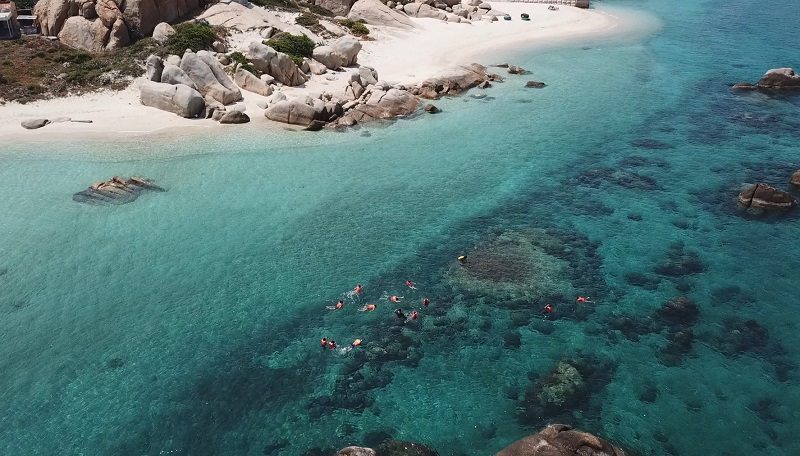
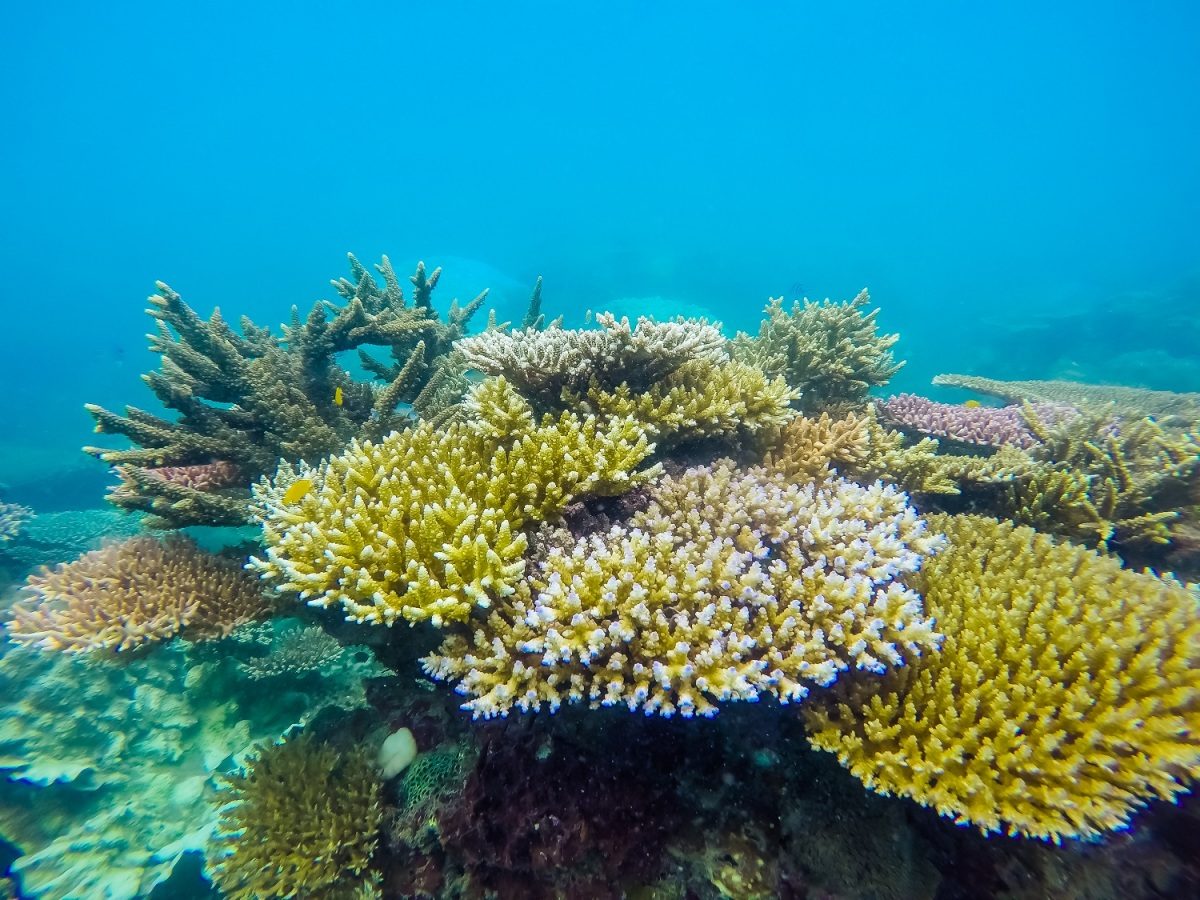
Renowned for its expansive, thousand-year-old coral reefs, this location features shallow fields of table and staghorn corals.
Ideal for beginners and reef photography.
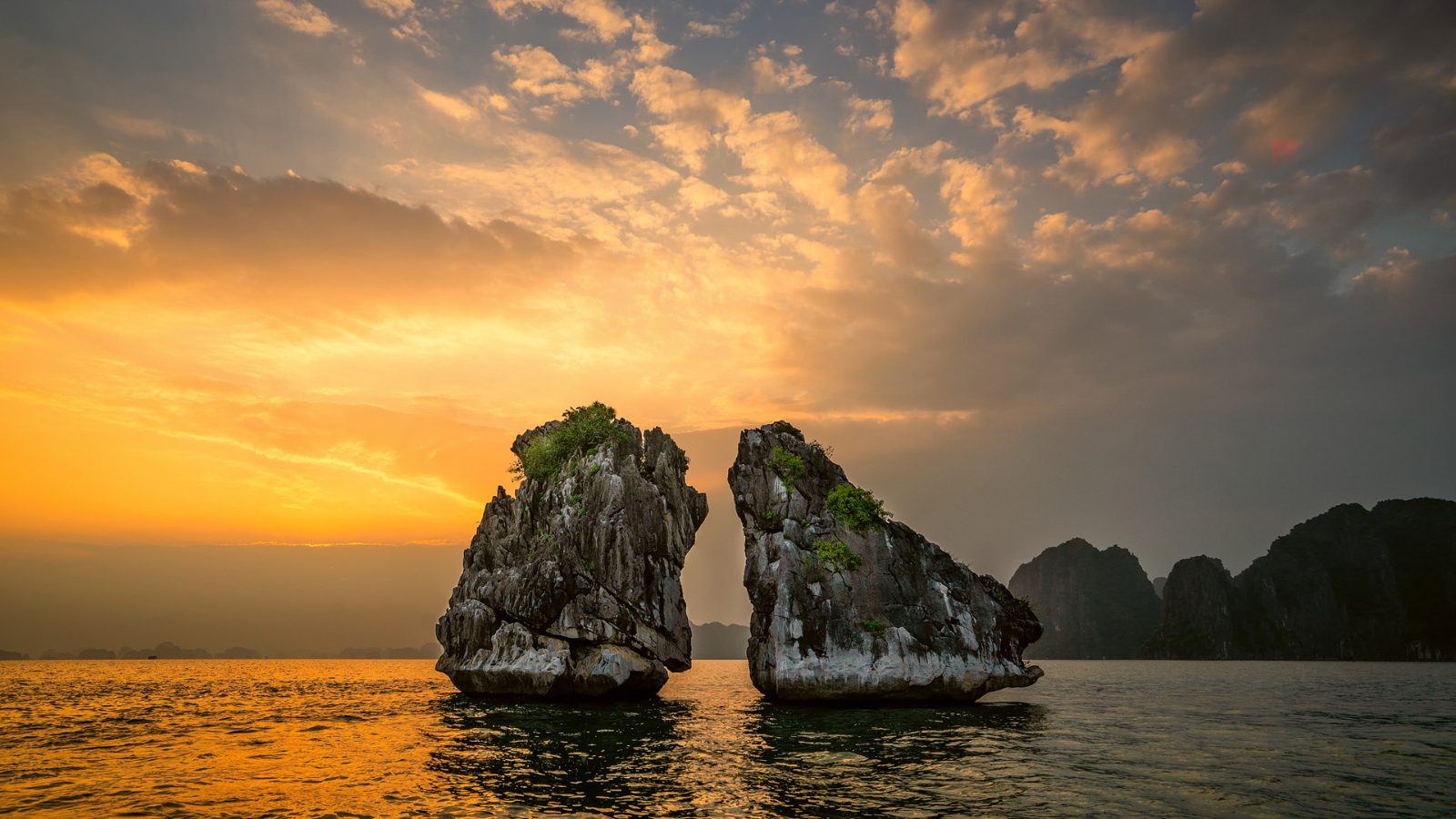
Characterized by dramatic granite boulders and deep drop-offs, this site hosts larger pelagic life including groupers and jacks.
Expect stronger currents at this site.
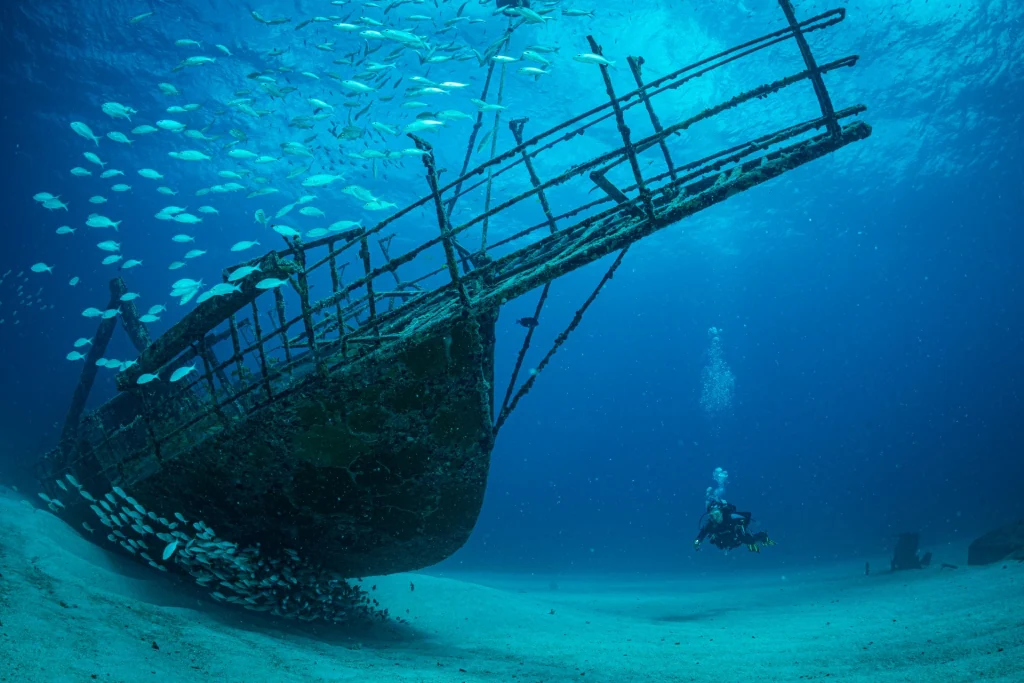
A steel boat wreck resting at 28 meters, this site now serves as an artificial reef home to significant marine life.
Observe dense schools of fish near the hull.
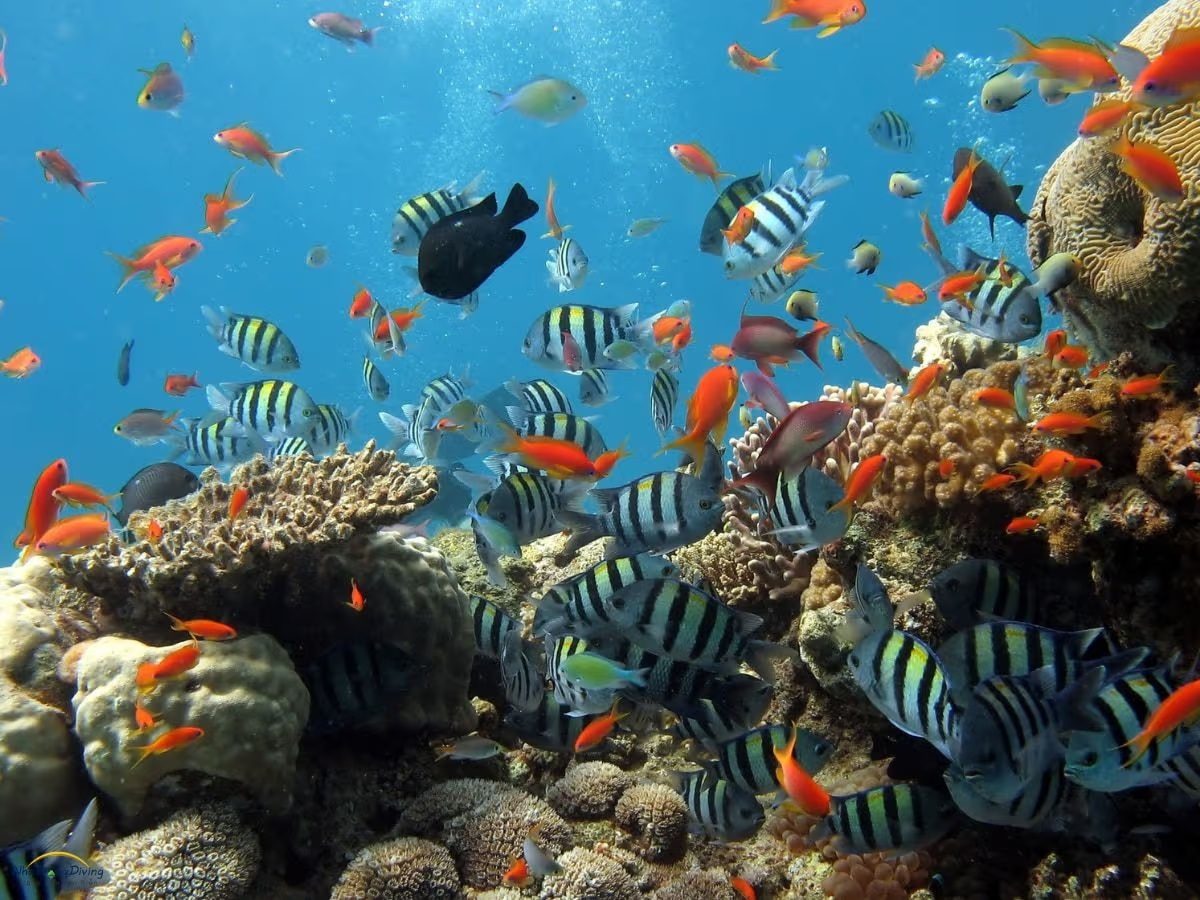
This site offers a vibrant, shallow reef ecosystem frequently populated by schools of fusiliers, butterflyfish, and anemonefish.
Watch for moray eels in the crevices.
Con Dao's dive sites require specific certifications, gear, and advance arrangements to ensure safe access to protected marine areas.
Everything you need to know about con dao dive sites
Beginners often find shallow coral reefs around Bay Canh and Hon Tre islands to be the most accessible options among various con dao dive sites. These locations offer calm waters and high visibility that are perfect for those just starting their underwater journey.
The best arrival window for visiting con dao dive sites is 07:30–12:00 when sea conditions are typically at their calmest. Planning your trip during these morning hours ensures clearer water for observation.
All visitors must pay a conservation fee of 60,000 VND per person to access the protected marine areas of the islands. This fee supports the ongoing preservation of the archipelago's unique ecosystems.
While families are welcome to join boat excursions, specific age or swimming skill requirements for visiting con dao dive sites vary by tour operator. It is best to verify these requirements directly with your chosen provider before planning your outing.
Access to these underwater locations is primarily via boat from the main island. You can arrange transport through local operators that specialize in trips to premier con dao dive sites.
Standard snorkeling or scuba equipment such as masks, fins, and regulators are usually provided by tour organizers. Ensure that your gear is properly fitted before entering the water to enjoy the diverse marine life found in the region.
Although walk-in options may exist, it is recommended to arrange your excursion ahead of time to secure your spot. Booking early ensures you can coordinate your visit during the optimal morning conditions.